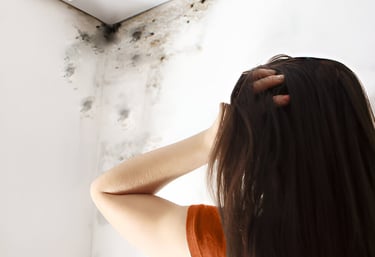
Why is mold growing in your home ?The presence of mold and mildew can lead to a variety of health problems
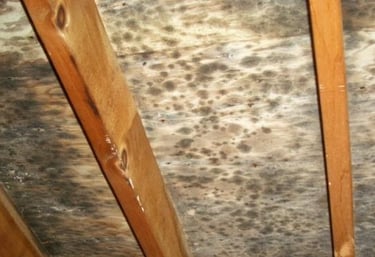
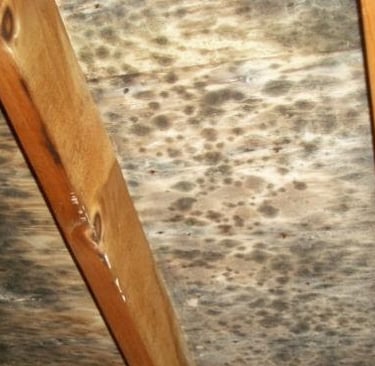
Molds are part of the natural environment. Outdoors, molds play a part in nature by breaking down dead organic matter such as fallen leaves and dead trees, but indoors, mold growth should be avoided. Molds reproduce by means of tiny spores; the spores are invisible to the naked eye and float through outdoor and indoor air. Mold may begin growing indoors when mold spores land on surfaces that are wet. There are many types of mold, and none of them will grow without water or moisture.
Mold, mildew, and algae are not just unsightly nuisances; they can be significant threats to your health and well-being, especially when these organisms spread from your roof into your home. Understanding how these contaminants infiltrate indoor spaces is crucial for maintaining good indoor air quality and preventing respiratory issues.
When roof materials become damp due to factors like poor drainage, humidity, or leaks, they create an ideal environment for mold, mildew, and algae to thrive. These organisms reproduce by releasing spores that can easily become airborne. Once airborne, these spores can infiltrate your home's indoor air, especially if windows or doors are left open, or if your ventilation system draws in outside air.
The presence of mold and mildew can lead to a variety of health problems, particularly for individuals with pre-existing respiratory conditions such as asthma or allergies. Symptoms may include coughing, wheezing, nasal congestion, and irritation of the eyes, nose, or throat. In sensitive populations, such as children and the elderly, exposure can exacerbate existing health issues and lead to more serious complications.
To ensure your home remains a healthy environment, regular maintenance of your roof is essential. Inspect your roof for any signs of decay or water damage, as these indicators can signal a potential breeding ground for mold and mildew. Clean gutters and downspouts to prevent water from pooling and encourage drainage away from your home.
In addition to regular maintenance, consider using mold-resistant roofing materials or treatments to protect your roof from the growth of these harmful organisms. In cases where mold has already taken hold, professional cleaning may be necessary to safely eliminate it and restore a healthy living environment.
Moreover, ensuring adequate ventilation within your home can help improve indoor air quality and reduce humidity levels, which in turn decreases the likelihood of mold and mildew growth. Employing air purifiers with HEPA filters can also assist in trapping airborne spores and allergens, leading to improved respiratory health.
In conclusion, vigilance is key when it comes to safeguarding your home against the adverse health effects of mold, mildew, and algae. By taking proactive steps to maintain your roof and improve indoor air quality, you can significantly reduce the risk of respiratory issues and foster a healthier living environment for you and your loved ones.
why roof cleaning matters ?
Roof cleaning is an essential maintenance task that significantly contributes to the longevity and health of your roof. Many homeowners overlook this crucial aspect, but regular cleaning is vital for several compelling reasons. By understanding the importance of roof cleaning, you can protect your investment and ensure that your home remains safe and attractive for years to come.
Preventing structural damage
Roof cleaning is an essential aspect of home maintenance that is often overlooked. Many homeowners are unaware of the significant benefits that come from keeping their roofs clean. One of the key reasons roof cleaning is imperative is its role in preventing structural damage. The presence of moss, algae, and lichen on a roof can lead to a cascade of issues that, if left untreated, can result in serious complications for the integrity of a home.
When moss, algae, and lichen settle on shingles, they don’t merely sit there; they trap moisture against the roof's surface. This retained moisture creates an ideal environment for the growth of these organisms, as well as accelerating the process of decay. Over time, the consistent exposure of shingles to this damp environment leads to shingle deterioration. The protective granules on shingles begin to wear away, resulting in a weakened roof that is susceptible to leaks.
As the shingles degrade, they can start to crack and curl, which further compromises their ability to protect the underlying layers and the home itself. Without a fully functional layer of shingles to guard against the elements, water infiltration can begin, leading to rot and damage within the roofing structure. Therefore, regular roof cleaning is vital to mitigate these risks and prolong the lifespan of your roof.
Beyond just shingles, the wood components of the roof structure are at risk due to the conditions created by moss and algae. When these organisms cause shingles to degrade, water can seep under the shingles and into the roof deck, leading to rot in wooden beams and supports. This rot not only compromises the effectiveness of the roof but can also create significant structural issues throughout the home.
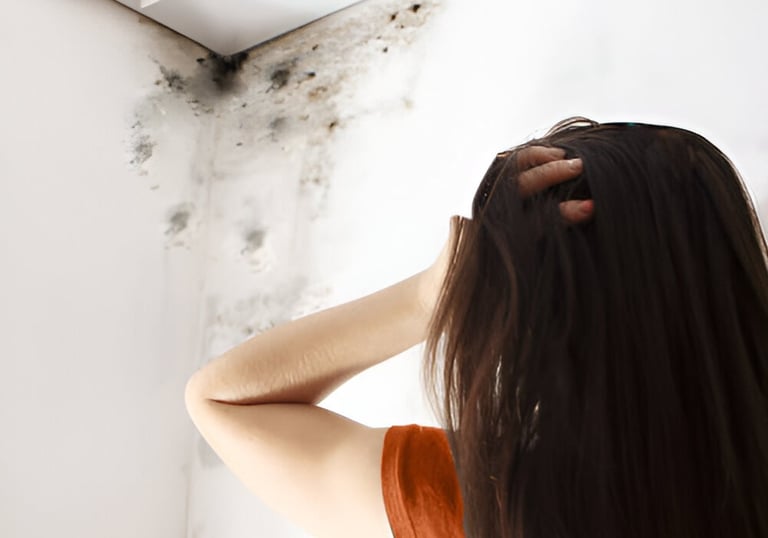
Additionally, the moisture accumulation can seep into the attic and walls, leading not only to expensive repairs but also to potential mold growth, which poses health risks to the inhabitants. By investing in regular roof cleaning, homeowners can minimize these risks and save on costly repairs in the long run.
Moreover, it’s worth noting that a clean roof can improve the overall appearance of a home. Curb appeal is important for homeowners who may eventually sell their property. A roof covered in moss and algae can turn prospective buyers away, as it gives the impression of neglect. A well-maintained roof, on the other hand, enhances the overall aesthetic and value of the home.
Higher energy consumption and increased cooling costs
Enhancing energy efficiency in your home is crucial, especially in maintaining a comfortable environment while managing costs. One often-overlooked factor in achieving this is the condition of your roof. A dirty roof can significantly impact your energy efficiency by absorbing more heat, which forces your air conditioning (AC) system to work harder to cool your living spaces.
When dust, debris, and other contaminants accumulate on your roof, they form a layer that absorbs sunlight instead of reflecting it. This creates a heat trap, which increases the ambient temperature inside your home. As a result, your AC unit has to operate longer and harder to counteract this unwanted heat, leading to higher energy consumption and increased cooling costs.
On the other hand, a clean roof acts as a reflective surface, effectively bouncing sunlight away. This reflection not only keeps your roof cooler but also helps maintain a lower indoor temperature, reducing the workload on your AC system. Consequently, this efficiency translates to lower energy bills and a longer lifespan for your air conditioning unit.
Regular maintenance, which includes cleaning your roof, can be an investment that pays off significantly in energy savings. Consider scheduling professional cleanings or even adopting a DIY approach for routine upkeep. In either case, ensuring that your roof is free of dirt, algae, and other residues is an essential step toward optimizing your home's energy efficiency and reducing overall cooling expenditures.
In summary, keeping your roof clean should be a priority for homeowners looking to enhance energy efficiency. By reflecting sunlight instead of absorbing it, a clean roof can help you lower your cooling costs, reduce strain on your air conditioning system, and maintain a more comfortable indoor environment. Taking proactive steps to maintain your roof will not only save you money but also contribute to a more sustainable living space.
Maintaining the integrity of your roof is paramount to ensuring its longevity and functionality. One of the most effective ways to extend the lifespan of your roofing is through regular maintenance that addresses destructive growths and accumulating debris. Moss, algae, and lichen can severely impact the condition of your roof, leading to premature aging and costly replacements.
These growths often thrive in moist environments and can take root in the shingle materials or structures of your roof, causing deterioration over time. Moss, in particular, holds moisture against the roof’s surface, which can lead to rot and the breakdown of roofing materials. Algae can create unsightly stains that may not only detract from the appearance of your home but can also promote additional growths when left unchecked. Lichen, with its strong root systems, can pry into the shingles, causing cracks and leaks.
By proactively removing these nuisances, you prevent them from causing further harm, ultimately saving you thousands of dollars on early replacements. Regular cleanings and inspections can help identify potential issues before they escalate. Homeowners who take care of their roofs will find themselves not only enhancing curb appeal but also preserving the value of their property in the long run.
Investing in professional roof cleaning services or adopting a consistent maintenance schedule can yield significant savings. Seasonal inspections are recommended, especially after harsh weather conditions, to ensure that any growth can be dealt with promptly. Not only does this process mitigate the risks associated with moss, algae, and lichen, but it also fortifies the overall health of your roof, ensuring it stands strong against the elements for years to come.
In summary, by removing destructive growths and debris from your roof, you not only enhance its appearance but significantly extend its lifespan. This preventive measure is a smart, cost-effective approach that can spare you from the financial burden of premature roof replacements, ultimately preserving your investment in your home.
Effective ways to extend the lifespan of your roof
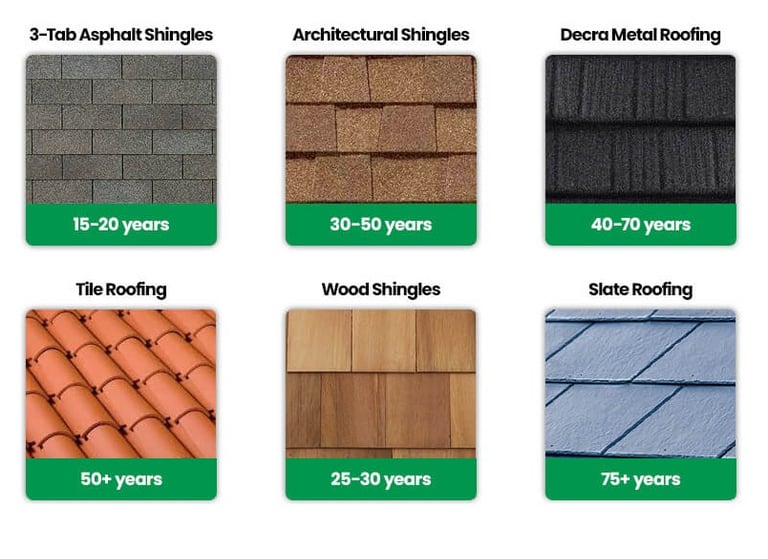
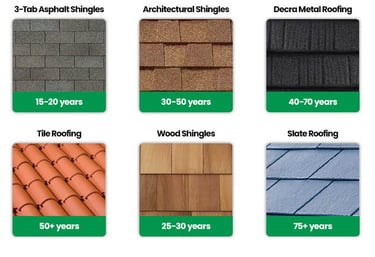
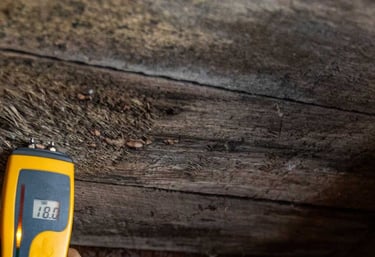
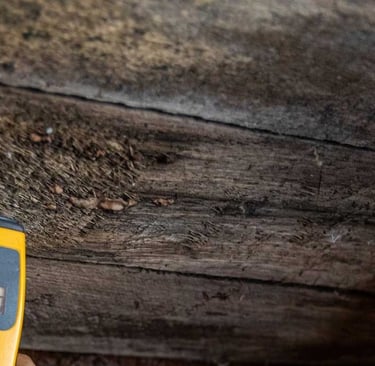
First and foremost, roof cleaning directly extends the lifespan of your roof. Over time, roofs can accumulate various forms of debris, including leaves, dirt, moss, and algae. These materials can trap moisture, which leads to serious issues such as leaks and rot. When moisture seeps into the roofing materials, it can compromise their structural integrity, increasing the risk of costly repairs or, in severe cases, a complete roof replacement. By regularly cleaning your roof, you minimize the potential for these problems, allowing your roofing system to perform its job effectively for a longer period.
In addition to preventing damage, roof cleaning improves your home’s energy efficiency. A roof covered in algae and grime can absorb heat, making your attic and living spaces warmer than necessary. This, in turn, forces your HVAC system to work harder to maintain a comfortable temperature, leading to higher energy bills. By keeping your roof clean and free of any harmful buildup, you can reduce energy consumption and create a more comfortable living environment while saving money on utility costs.
Moreover, a clean roof boosts your home’s curb appeal. The exterior of your home is the first thing visitors and potential buyers notice, and a dirty roof can detract from your property's overall aesthetic. Algae stains, moss growth, and debris not only make your roof look unkempt but can also lead to negative first impressions. By investing in professional roof cleaning services, you enhance your home’s appearance and contribute positively to your neighborhood’s landscape.
Another crucial aspect of roof cleaning is that it helps protect your warranty. Many roofing manufacturers provide warranties that are contingent upon regular maintenance, including cleaning. If your roof is improperly maintained, the warranty may become void, leaving you responsible for any repairs that might arise. By adhering to cleaning schedules outlined by your warranty provider, you ensure that your coverage remains intact, offering peace of mind and financial protection against unforeseen issues.
Finally, preventing the buildup of algae, moss, and debris is essential for maintaining the quality of your roofing materials. These substances can cause irreparable damage to shingles, tiles, and other roofing components. Algae can grow between shingles, lifting them and allowing water infiltration, while moss can retain moisture and lead to rot. Regular cleaning prevents these issues, allowing your roofing materials to perform as intended and maintain their aesthetic appeal.
In summary, the necessity of roof cleaning cannot be overstated. The prevention of structural damage, particularly from moss, algae, and lichen, is a crucial reason that underscores the importance of this maintenance task. Regular cleaning not only extends the lifespan of the roof, protecting it from decay and leaks but also preserves the beauty and value of the home. Homeowners who prioritize roof cleaning will be safeguarding their investment and ensuring their property remains in excellent condition for years to come.
In conclusion, roof cleaning matters significantly for any homeowner. It extends the lifespan of your roof, prevents costly damage, improves energy efficiency, boosts curb appeal, and protects your warranty. By removing the damaging buildup of algae, moss, and debris, you not only safeguard your investment but also enhance the overall quality of your home. Make roof cleaning a priority, and enjoy the numerous benefits it provides for your household.